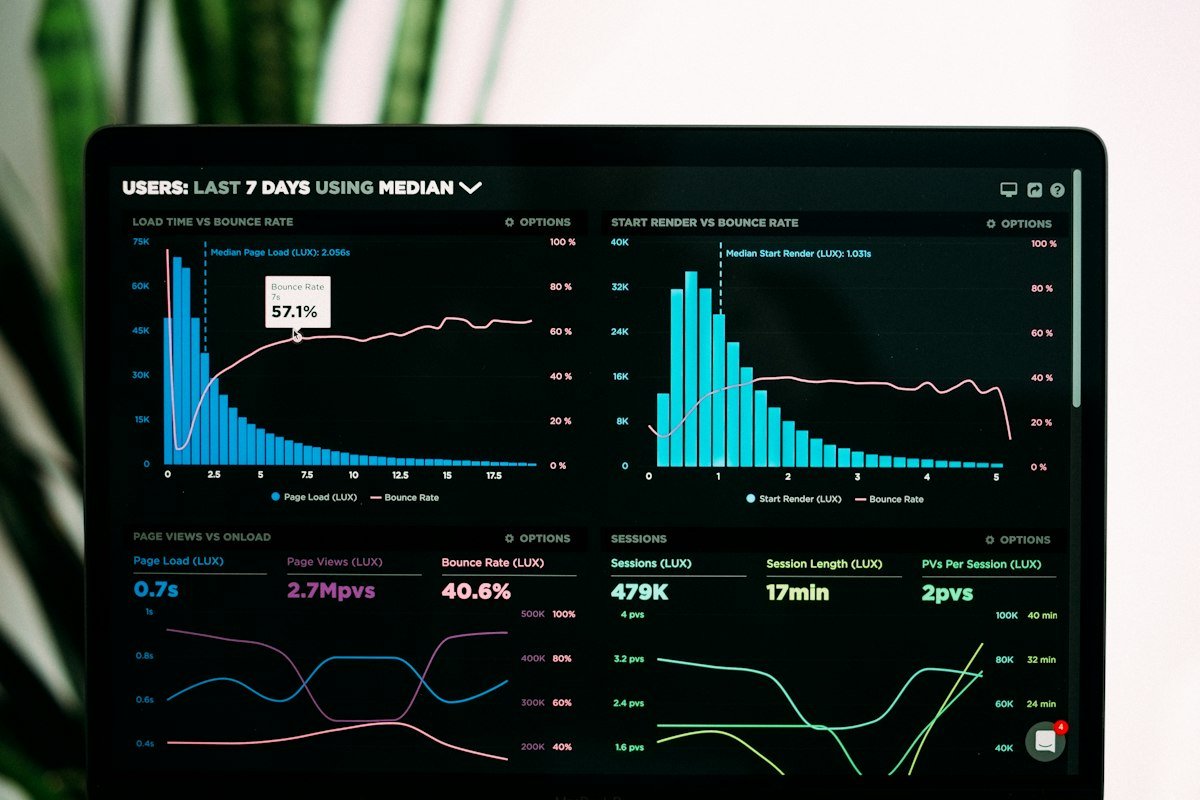

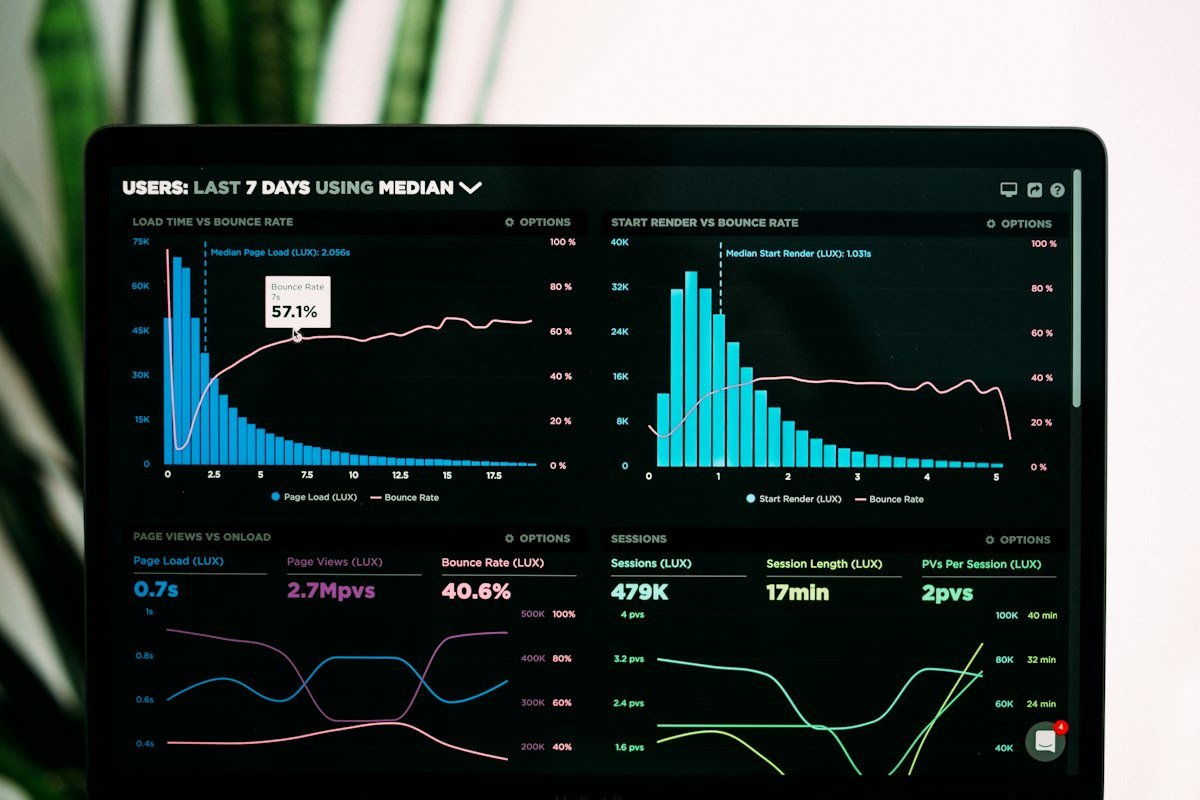
In today's fast-moving e-commerce landscape, organic discovery alone is rarely sufficient to achieve breakout scale. Consumer attention is fragmented across search, short-form video, and dynamic feeds. Paid advertising (PPC) provides an unmatchable competitive advantage: the ability to deploy targeted capital, test value propositions with immediate feedback, and acquire high-intent buyers on demand.
Active daily online shoppers seeking verified consumer solutions.
High-growth brands deploy automated ROAS bid rules to outmaneuver rivals.
Achieved through synchronized Google PMax, Meta DPA & TikTok funnels.
What is Paid Marketing & Why It Anchors Scale
Paid marketing is an intent-focused strategy where businesses invest budget into digital bidding auctions—such as Google Ads, Meta Ads Manager, and TikTok For Business—to capture traffic with defined commercial intent. Unlike long-tail brand building, paid marketing offers direct attribution: every dollar invested can be mapped to impressions, clicks, cart adds, and completed purchases.
Mid-market e-commerce companies typically allocate between $10,000 to over $150,000 monthly to paid channels. When managed with disciplined bid modeling and rapid creative testing, paid campaigns establish a predictable flywheel where customer acquisition cost (CAC) remains comfortably lower than customer lifetime value (LTV).
The Core Paid Channels & How We Scale Them
1. Google Ads (Search & Performance Max)
Google Search captures consumers actively in the consideration and purchase stages. When a customer types "best ergonomic leather desk chair," intent is already proven. We split accounts into branded protection campaigns and high-margin non-branded search buckets, pairing them with Performance Max (PMax) to syndicate product listings across YouTube, Search, Display, and Maps.
2. Meta Ads (Facebook & Instagram Dynamic Catalogs)
Meta remains unmatched for lifestyle, beauty, fashion, and visual consumer products. Rather than narrow manual audience targeting, the current algorithm rewards broad targeting powered by diverse creative hooks. We deploy Dynamic Product Ads (DPA) synced directly to Shopify feeds to re-engage past visitors with the exact items they left behind.
3. TikTok Ads & Viral Creative Spark Ads
Unlike search intent, TikTok taps into latent, impulsive consumer demand. Native-feeling content that looks like an authentic user recommendation consistently outperforms polished studio commercials. Spark Ads allow us to boost authentic creator posts directly from their personal profiles.
"Scaling paid advertising isn't about spending more money blindly—it's about building a robust testing framework where winners are doubled and losers are cut within 72 hours."
— DM30 Head of Growth & Media Buying
How to Calculate Your Break-Even ROAS Threshold
Before spending a single dollar on ad auctions, every brand founder must understand their break-even metrics. Calculating your break-even Return on Ad Spend ensures you never mistake top-line vanity metrics for bottom-line profit.
• If Gross Margin = 60% (0.60) → Break-Even ROAS = 1.67x
• If Gross Margin = 50% (0.50) → Break-Even ROAS = 2.00x
• If Gross Margin = 40% (0.40) → Break-Even ROAS = 2.50x
Key Actionable Takeaways for 2026
- Diversify Beyond Meta: Build a three-pronged funnel incorporating Google Search, Meta remarketing, and TikTok discovery.
- Creative is the New Targeting: Algorithmic bidding relies on creative variety to segment customer personas automatically.
- Automate Guardrails: Set automated rules in Meta & Google to decrease budgets by 20% if ROAS dips below threshold for 48 consecutive hours.